
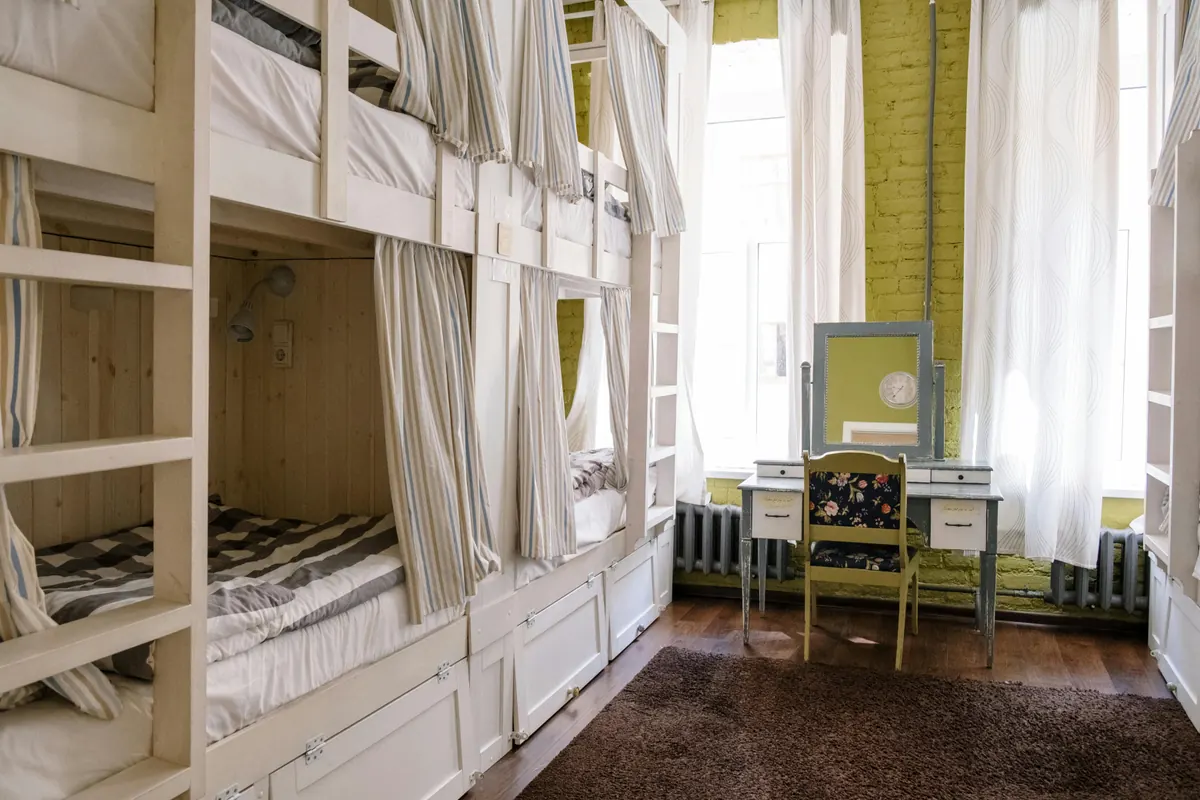
New-age colleges aggressively market their residential experience. The brochures show sleek, air-conditioned rooms, students coding on beanbags, and late-night pizza runs.
Because many of these programs mandate staying in their specific hostels for at least the first year (and charge heavily for it), you need to know what you are actually paying for.
Here is the unfiltered reality of hostel life at new-age tech colleges in India, based on what current students report.
The Two Models of Hostels
New-age colleges generally operate their housing under two models:
1. The On-Campus University Hostel (e.g., Rishihood, ADYPU)
You live on a traditional university campus. The hostel is walking distance from your classes.
- The Good: Zero commute. You have access to university sports grounds, massive libraries, and late-night campus walks. It feels like a real college.
- The Bad: You are subject to strict university rules, early in-times, and traditional hostel wardens. The infrastructure is often older unless you are placed in a newly built block.
2. The Outsourced / Tech-Park Hostel (e.g., Scaler Bangalore)
Because the college operates out of a corporate tech park, they do not own residential land. They lease out entire PG buildings (like Stanza Living or local managed housing) a few kilometers away from the academic block.
- The Good: The infrastructure is usually newer. Rooms feel more like modern hotel rooms or premium PGs. Wi-Fi is usually better optimized for heavy usage.
- The Bad: The commute. You have to take a college shuttle bus or an auto to get to class every day. If you want to go to the lab at 11 PM to finish a project, you can't, because you are locked in your PG. It feels less like a campus and more like an office life.
The 5 Reality Checks
When evaluating the residential claim, check these five specific areas:
1. Room Sharing Density
Brochures often show single or double occupancy. The reality for first-year students is usually 3-sharing or 4-sharing. Ask explicitly: "What is the guaranteed occupancy for 1st-year students, and what is the exact square footage of the room?" Coding in a 4-sharing room requires noise-canceling headphones and immense patience.
2. The Wi-Fi Myth
A tech college lives and dies by its internet connection.
Official claim vs what to ask students: Official claim: "High-speed campus-wide Wi-Fi." Ask students: "Does the hostel Wi-Fi block certain ports? Can you reliably download a Docker image at 9 PM when 500 other students are watching Netflix?" Reality: Many students end up paying for their own 5G data packs because the hostel Wi-Fi throttles heavily during peak hours.
3. The Late-Night Lab Access
You are joining a coding college. Hackathons and late-night debugging sessions are mandatory for survival. If the academic block closes at 8 PM and you are forced back to your hostel room, the collaborative coding culture dies. Ask if there is a 24/7 accessible coding zone inside the hostel or if the academic block stays open late.
4. Mess Food Fatigue
No matter how much you pay, mess food is still mess food. It is designed to feed 1,000 people efficiently, not to win culinary awards. By semester two, students almost universally complain about the food.
- The real question: Is the mess fee mandatory? Can you opt out in your second year and use that money to eat at local cafes or order in?
5. Cost Creep
Hostel fees at these premium colleges often range from ₹1.5 Lakhs to ₹2.5 Lakhs per year.
- Are laundry charges separate?
- Is electricity metered per room, or is it flat? If you run the AC all night, do you get an unexpected ₹5,000 bill at the end of the month?
- Will the base fee increase by 10% next year?
What to Verify Directly Before Paying
Do not just look at the model room shown during the campus tour.
- Ask to see a random, lived-in room: The model room is perfect. The actual room shows you the real storage space and lighting.
- Check the washroom ratio: If it's a shared floor washroom, what is the ratio of students to showers? Anything worse than 6:1 will make your 8 AM class a nightmare.
- Read the Leave Policy: Can you leave campus on a Sunday without an email from your parents? The strictness of the leave policy dictates how much independence you actually have.
Frequently Asked Questions
Is it cheaper to live in a flat outside? Almost always, yes. By year 2 or 3, moving into a flat with 3 friends will significantly reduce your living costs. However, many new-age colleges mandate hostel stay for the first year to build community and ensure safety.
Can I survive without AC in these hostels? If the campus is in Delhi NCR (Sonipat) or Bangalore, summer months are brutal. If you have the budget, the AC upgrade is usually worth it for the sake of being able to sleep and code comfortably. If you are in Pune, non-AC is manageable for most of the year.
Are the hostels strict about curfews? Yes. Even at modern tech colleges, the partner universities enforce standard Indian hostel curfews (usually between 9 PM and 10:30 PM). If late-night freedom is your priority, clarify the exact in-time before joining.